Solutions / battery recycling
Know the cathode and cell weight before you quote a pack.
Battery recyclers buying from salvage yards use ARC to identify the pack, cathode chemistry, gross pack weight, and recoverable cell weight before they set a purchase price.
salvage quote record
| source | salvage-yard inventory sheet |
|---|---|
| pack | Tesla Model S 85 kWh |
| cathode | NCA |
| gross weight | approx. 1,200 lb |
| cell net weight | available in Explorer |
| quote risk | do not price recoverable material from gross pack weight |
Biggest problem / cathode identification
Salvage yards often do not know the chemistry they are selling.
Recyclers make money by buying packs, processing them, and selling the recovered critical raw materials. That model breaks when a quote starts without a defensible cathode assumption.
The seller record is incomplete
Salvage yards often know the VIN, year, make, model, or a rough pack description. They may not know the cathode chemistry behind the pack.
Chemistry changes the payable
NCA, NMC, LFP, NiMH, and LMO do not create the same critical-raw-material value. A quote needs the chemistry before the buyer commits.
Wrong chemistry changes margin
If a buyer assumes the wrong cathode, the downstream sale, process route, and purchase price can all be off before the pack reaches the facility.
quote field
cathode_chemistry
The buying team needs this before treating the pack like high-value or lower-value material.
Second problem / gross weight versus cell weight
Gross pack weight can make a bad quote look profitable.
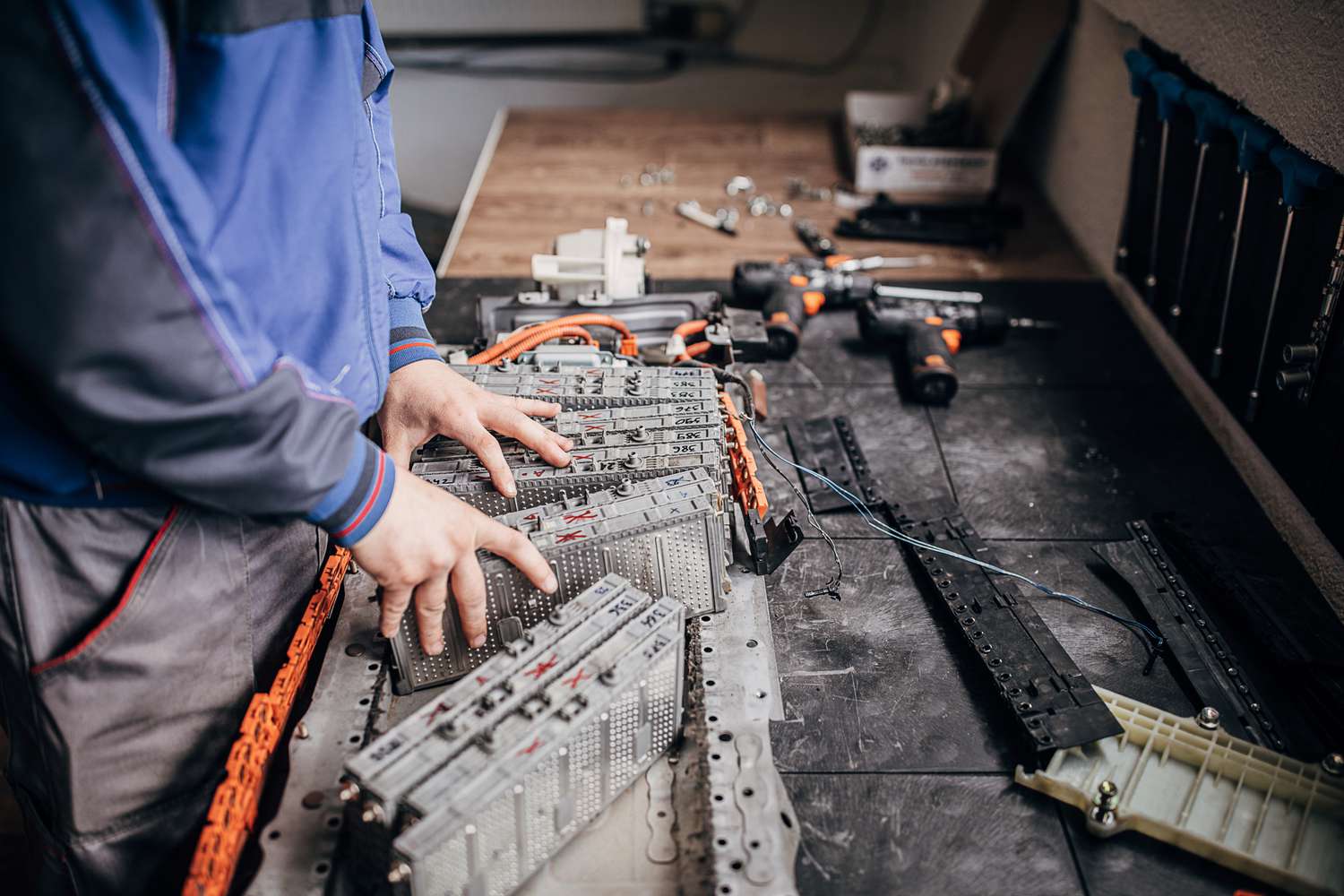
A pack includes cells, modules, electronics, cables, cooling hardware, shell, and enclosure. If a recycler applies payable assumptions to the full gross weight, the purchase can lose money before processing starts.
gross pack weight
The full pack weight with enclosure, electronics, cables, busbars, cooling hardware, and modules.
cell net weight
The recoverable cell mass inside the pack that better aligns with payable critical material.
cell weight share
A clearer basis for yield, recovery value, and purchase-price discipline.
payable risk
Avoid applying payable assumptions to the full pack and then losing margin during processing.
Solution / ARC Battery Explorer
Explorer turns a salvage listing into a quoting record.
The buyer does not just need to know that a pack exists. They need the cathode and the right weight basis before they apply a payable. Explorer puts those fields beside the pack identity so purchasing can quote from recoverable material, not the full pack weight.
API / internal quoting systems
Build cathode and weight data into the quoting tool.
The same data can feed an internal purchasing system. Battery recyclers can enrich salvage-yard inventory sheets with pack identity, cathode, gross weight, cell net weight, and confidence fields so buyers can quote more material without leaving their workflow.
quote-tool integration
salvage-yard sheet
VINs, vehicle rows, pack labels, and incomplete descriptions enter the buyer workflow.
ARC API enrichment
Cathode chemistry, pack identity, gross weight, cell weight, and confidence fields come back as structured data.
quoting tool
Internal purchasing systems can quote faster and avoid paying recoverable-material prices against the wrong weight basis.
The goal is not just faster lookup. It is preventing bad purchase prices caused by unknown cathode chemistry or the wrong weight basis.